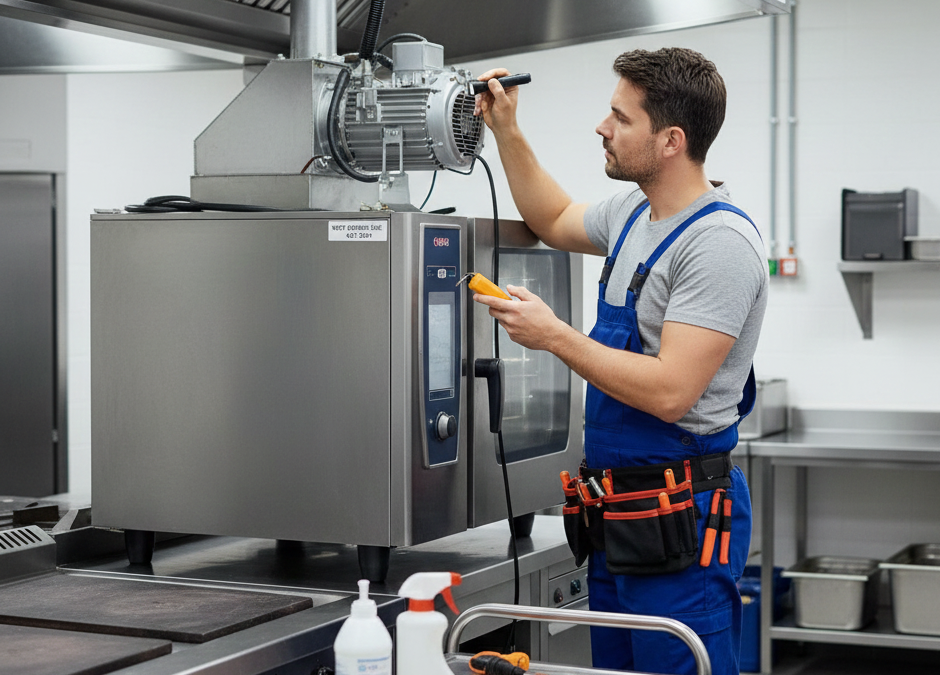
Unexpected equipment failures can disrupt service, strain staff, and increase operating costs. This is why preventative maintenance for commercial kitchens is one of the most effective ways to support long-term reliability and efficiency.
Rather than reacting to breakdowns, preventative maintenance focuses on early detection and routine care — helping kitchens avoid costly emergencies.
What Is Preventative Maintenance?
Preventative maintenance involves scheduled inspections, servicing, and adjustments designed to keep equipment operating efficiently. This includes:
-
Cleaning critical components
-
Checking temperatures and performance
-
Identifying worn or failing parts
-
Making minor repairs before failure occurs
Why Preventative Maintenance Matters
Commercial kitchens operate under constant demand. Preventative maintenance helps:
-
Reduce emergency repairs
-
Extend equipment lifespan
-
Improve energy efficiency
-
Maintain compliance with health regulations
Equipment That Benefits Most From Routine Service
Certain equipment requires consistent attention, including:
-
Refrigeration systems
-
Walk-in freezers
-
Ice machines
-
Cooking equipment
-
Dishwashers
Regular service keeps these systems functioning properly.
Reducing Downtime Through Proactive Care
Downtime disrupts operations and affects revenue. Preventative maintenance allows kitchens to schedule service during off-hours and avoid unexpected shutdowns.
Proactive care supports smoother operations and better planning.
Cost Savings Over Time
While preventative maintenance requires ongoing investment, it often reduces overall costs by:
-
Preventing major failures
-
Avoiding emergency service fees
-
Extending equipment replacement timelines
Customized Maintenance Programs
No two kitchens are the same. Customized maintenance programs account for:
-
Equipment type
-
Usage levels
-
Operating hours
This tailored approach ensures efficient and effective care.
Supporting Health & Safety Compliance
Properly maintained equipment helps meet food safety standards. Temperature control, sanitation, and performance all play a role in compliance.
The Role of Experienced Service Providers
Working with experienced technicians ensures maintenance tasks are performed correctly and consistently. Professional service helps identify issues that may otherwise go unnoticed.
Conclusion
Preventative maintenance for commercial kitchens is an essential investment in reliability, safety, and cost control. By addressing issues early and maintaining equipment properly, food service operations can reduce downtime and operate with confidence.